Few fabrics in human history have carried the same level of prestige, artistry, and cultural significance as silk. For thousands of years, silk has represented refinement, wealth, comfort, and timeless elegance. Long before modern luxury fashion existed, ancient Chinese craftsmen transformed silk into garments that were not only beautiful but also symbolic expressions of identity and status.
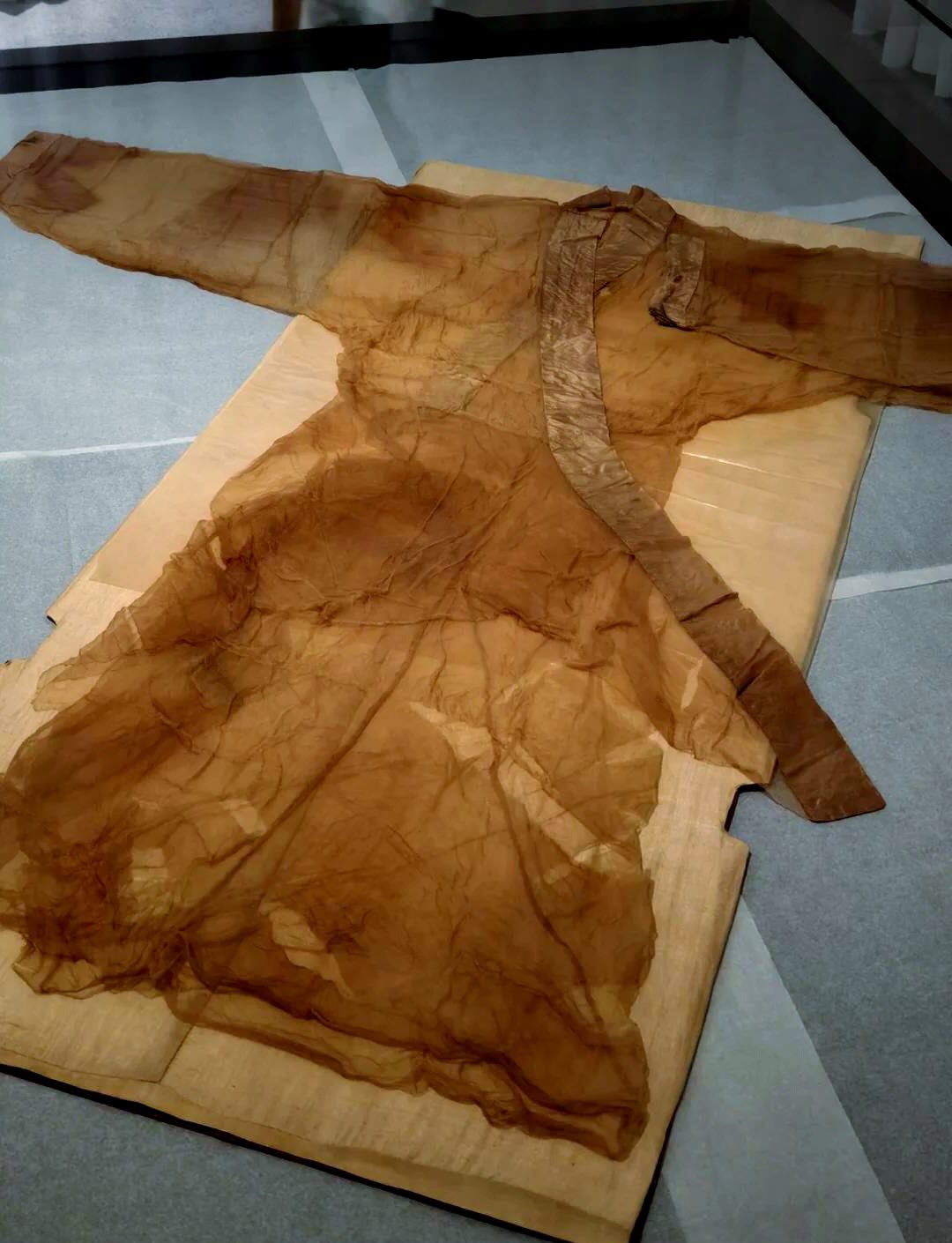
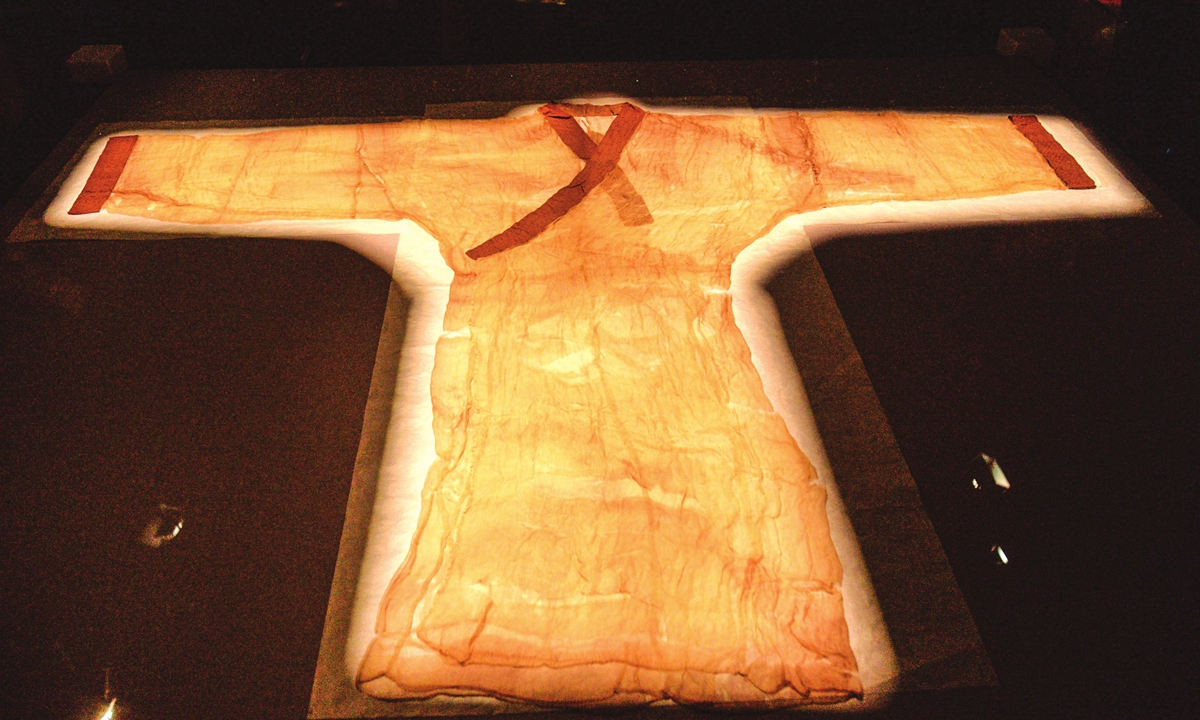
One of the greatest discoveries proving the extraordinary qualities of ancient silk was made in the Mawangdui Tombs near Changsha, in Hunan Province, China. The remarkable preservation of silk garments found inside these tombs revealed a level of craftsmanship and material quality that continues to amaze historians, textile experts, and designers today.
The Mawangdui Tombs: A Window Into Ancient Chinese Luxury
The Mawangdui Tombs date back more than 2,000 years to the Western Han Dynasty (approximately 206 BC – 9 AD). The site contained the burial chambers of members of the Han aristocracy, including Lady Dai, also known as Xin Zhui, the wife of a high-ranking official.
Among the treasures discovered inside were some of the finest examples of ancient silk clothing ever found. Archaeologists uncovered delicate robes, skirts, gowns, embroidered fabrics, and ceremonial garments that had survived for centuries in astonishing condition.
These garments were not simply clothing. They were a reflection of the wearer’s position in society, their wealth, their connection to tradition, and their understanding of beauty. The silk pieces found at Mawangdui displayed exceptional weaving techniques, intricate patterns, and an attention to detail that demonstrated the advanced skills of ancient Chinese textile artisans.
Why Were the Silk Garments Still Intact After Thousands of Years?
The survival of the Mawangdui silk garments is considered one of the greatest achievements in archaeological textile preservation. Most natural fabrics decay rapidly over time, yet these silk pieces remained remarkably intact.
Several factors contributed to their preservation:
- Exceptional burial conditions: The tombs were constructed deep underground and were sealed tightly, creating an environment with very limited exposure to oxygen.
- Protection from moisture: The layered wooden chambers and surrounding materials helped prevent water and humidity from damaging the textiles.
- High-quality silk fibres: The silk itself was produced from carefully cultivated silkworms, creating fibres of extraordinary strength and durability.
- Advanced ancient techniques: Chinese silk makers had perfected spinning, weaving, and finishing methods that produced fabrics capable of lasting for generations.
The fact that these garments survived for more than two millennia is a testament to silk’s natural resilience. Even after thousands of years, the fabric still retained its softness, structure, and intricate craftsmanship.
Why Was Silk Worn in Ancient China?
Silk was far more than a material used to create clothing. In ancient China, silk represented civilisation, refinement, and achievement. It was considered one of the most valuable materials in the world.
Silk was prized because it combined qualities that no other natural fabric could match. It was lightweight yet strong, delicate yet durable, comfortable in both warm and cool conditions, and possessed a natural beauty that appeared almost luminous.
For the upper classes, wearing silk was a way to demonstrate education, wealth, and social position. Fine silk garments were reserved for nobles, government officials, and wealthy families. The quality, colour, and design of silk clothing often communicated the wearer’s rank and importance.
In this way, silk functioned as an ancient form of luxury branding. It told the world who you were without the need for words.
Silk and Social Identity in Ancient China
Clothing in ancient China played a crucial role in defining social hierarchy. Different groups were permitted to wear different styles, colours, and materials depending on their position within society.
Silk garments were closely associated with privilege and status. Elaborately woven silk robes could indicate wealth, authority, and cultural sophistication. The wearer was not simply dressed in fabric; they were wrapped in a symbol of their place in the world.
This connection between silk and identity has continued throughout history. Even today, silk remains associated with exclusivity, elegance, and personal expression.
Why Silk Became One of China’s Most Treasured Creations
China’s relationship with silk began thousands of years ago and became so influential that it shaped global trade routes. The famous Silk Road connected China with distant civilisations, allowing silk to become one of the most sought-after luxury goods in history.
The value of Chinese silk came from the unique process required to create it. Silk is produced by silkworms that create incredibly fine threads as they form their cocoons. These threads can be carefully harvested and woven into a fabric that is smooth, strong, and naturally radiant.
Ancient Chinese silk production was a closely guarded skill. Generations of artisans refined the process, creating fabrics that were unmatched in quality and beauty.
The Unique Beauty and Strength of Silk
What makes silk truly exceptional is the combination of softness, strength, and natural brilliance.
The famous lustre of silk comes from the structure of the fibre itself. Unlike many fabrics that simply reflect light from the surface, silk fibres contain a naturally smooth structure that allows light to bounce through the material. This creates the soft, glowing appearance that has made silk famous for centuries.
This natural sheen gives silk its luxurious appearance, making it look elegant without the need for artificial treatments or finishes.
Despite its delicate appearance, silk is surprisingly strong. The fibres produced by silkworms are among the strongest natural fibres in the world. This strength allowed ancient silk garments to survive thousands of years and continues to make silk a durable choice for modern luxury products.
The Timeless Luxury of Silk Today
The discovery of the Mawangdui Tombs reminds us that true luxury is not only about appearance. It is about craftsmanship, heritage, and the unique qualities of a material.
Silk has remained treasured for more than 2,000 years because it offers an experience unlike any other fabric. It feels cool and smooth against the skin, provides natural comfort, and carries an unmistakable sense of refinement.
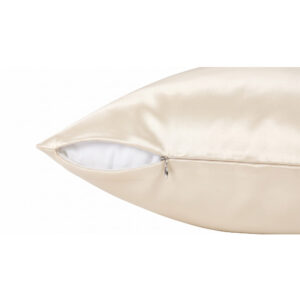
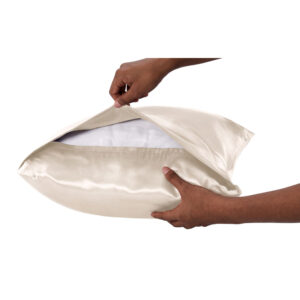
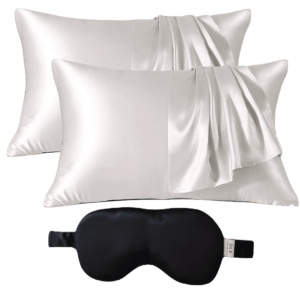
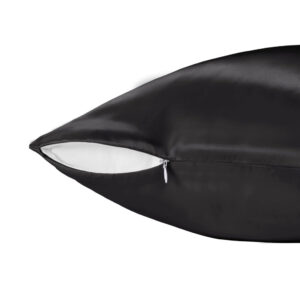
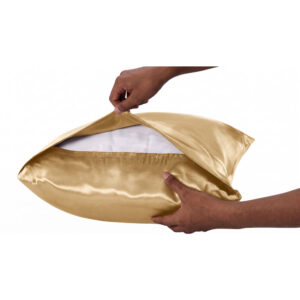
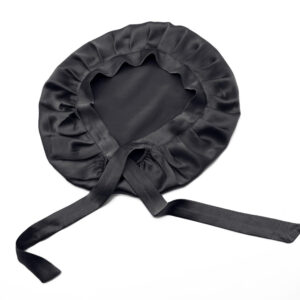
Modern silk nightwear, silk pillowcases, and silk gifts continue this ancient tradition of comfort and elegance. Each piece carries a connection to a history where silk represented the highest standards of beauty and craftsmanship.
From the royal garments of the Han Dynasty to today’s luxury silk collections, silk remains a symbol of timeless sophistication, a fabric created not only to be worn, but to be experienced.