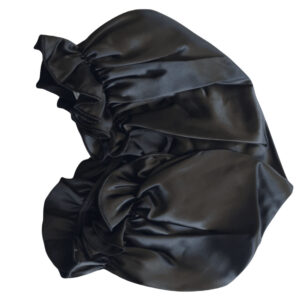

You spend roughly a third of your life with your face pressed against a pillowcase. If that pillowcase is cotton, it’s quietly working against you every single night. Cotton pulls moisture out of your skin, drags on your hair while you toss and turn, and creates friction that leads to sleep creases and frizz. Silk does the opposite. It glides. Your skin stays hydrated, your hair stays smooth, and you wake up looking like you actually slept well, because you did.
Finding the Right Silk Pillowcase Size
Getting the size right matters more than most people realise.
The standard South African pillowcase size is 45x70cm. This is the size most households already have, and it fits pillow inners from all the major retailers, so you don’t need to buy a new pillow to enjoy silk. Just slip our case over what you’ve already got. It’s the easiest, most popular entry point into silk bedding, and it’s what most customers start with.
If your current pillow inner has seen better days, silk.co.za also stocks silk pillow inners in this standard size, available in soft, medium, and firm, so you can match the support level to how you actually sleep. Side sleepers tend to prefer medium to firm for neck support, while back sleepers often like it softer.
King size pillows, 52x90cm, are also standard in a lot of South African homes, especially in main bedrooms and guest rooms. These are covered too, with the same luxurious 100% mulberry silk cut for the larger inner, so you get the same skin and hair benefit without any compromise on fit or coverage. Matching silk pillow inners are available in soft, medium, and firm for the king size as well, so whether you’re replacing an old pillow or building a full silk sleep set from scratch, the inner and case can be matched perfectly to the firmness that suits your sleep style.
If you’re not sure about firmness, medium is the safest starting point, since it suits the widest range of sleep positions. A plush, sink in pillow calls for soft. More neck and shoulder support calls for firm.
What Silk Actually Is
Silk isn’t manufactured in a factory from synthetic fibres like polyester or microfiber. It’s produced by silkworms, specifically the larvae of the mulberry silk moth, as they spin cocoons around themselves before metamorphosis. Each cocoon is made from a single continuous filament of protein fibre, sometimes over a kilometre long, produced from the silkworm’s own body. It takes thousands of cocoons, carefully unwound by hand, to produce enough thread for just one pillowcase.
That natural protein structure is the secret behind everything silk does for the body. Silk fibre contains eighteen amino acids, and its molecular structure is remarkably similar to the keratin found in human hair and the collagen found in skin. That similarity is part of why silk feels so different against skin compared to any other fabric.
The Skin Benefits of Silk
Cotton is an absorbent fibre, which is fantastic for a bath towel and less ideal for a pillowcase. It pulls moisture from skin overnight, along with a good portion of whatever night cream or serum was applied before bed. The result is skin that wakes up slightly dehydrated, with skincare product soaked into the pillowcase instead of the face.
Cotton also creates friction. Every time the head turns or shifts position during the night, cotton fibres grip and drag against skin. Over months and years, that repeated mechanical friction is one of the contributing factors to sleep lines, the creases that used to disappear the moment you woke up but, with age, start sticking around throughout the day.
Silk solves both problems at once. Because it’s far less absorbent than cotton, skin holds onto its natural moisture and applied products stay where they’re meant to work. Because silk fibres are smooth with very low surface friction, skin glides across the pillow instead of dragging against it. Many customers notice fewer sleep creases in the morning, less irritation, and skin that simply feels calmer. For sensitive skin, eczema, or acne, this matters even more, since silk is naturally hypoallergenic and resistant to dust mites, mould, and fungus, making it a gentler surface for skin that reacts easily.
The Hair Benefits of Silk
Waking up with frizzy, flattened, tangled hair after a full night’s sleep is cotton doing what cotton does, gripping onto hair strands and roughening the hair cuticle with every movement. This is especially frustrating for colour treated hair, keratin treated hair, extensions, or naturally curly and textured hair that already takes real effort to style.
Silk’s smooth surface allows hair to glide across the pillow rather than catch on it. Less friction means less breakage, less frizz, and far less of the dreaded bedhead tangle. Many people who switch to silk pillowcases find their blowouts and styles last longer into the week, because hair isn’t being mechanically damaged every night during sleep. It’s a small change with a compounding benefit, since hair health builds up, or wears down, night after night over months and years, not in a single sleep.
A Gift from Nature, Once Reserved for Royalty
Silk has been treasured for over four thousand years, and for most of that history, it was one of the most closely guarded and valuable materials on earth. Its production originated in ancient China, where the technique of harvesting cocoons and weaving silk thread was kept a closely protected state secret for centuries. Revealing the secret of silk production to outsiders was, at various points in history, punishable by death, a measure of how seriously its value was protected.
Silk became so prized that entire trade networks stretching from East Asia through Central Asia and into Europe became known as the Silk Road, one of the most important trade routes in human history, built almost entirely around demand for this single fabric. Emperors wore silk robes as a marker of status and power. Empresses and noblewomen slept on silk, not only for luxury, but because it was understood even then that silk was gentler on the body than the coarser fabrics available to ordinary people. For most of history, sleeping on silk meant belonging to the most privileged people alive.
Today, silk isn’t reserved for royalty, but it hasn’t lost any of what made it special. It remains a completely natural fibre, still produced through that same delicate, labour intensive process, and it still delivers the same benefits to skin and hair that emperors and empresses once enjoyed exclusively. Choosing a silk pillowcase means choosing a material with thousands of years of history behind it, one that was once so valuable it shaped global trade, now available every single night for the price of a good dinner out.
Choosing What’s Right for You
Whether the choice is the standard 45x70cm pillowcase that fits pillow inners already at home, or the 52x90cm king size for larger pillows, and whether the silk inner chosen is soft, medium, or firm to match sleep position, this is a choice for genuinely different quality of rest, night after night, using a fibre prized by history’s most powerful people for thousands of years.
Cotton cannot replicate what silk does, because it simply isn’t built the same way. Silk is protein, not just fabric, and skin and hair respond accordingly. Most customers who make the switch say they can’t imagine going back.
Available Silk Pillowcase Sizes at silk.co.za
- Standard South African silk pillowcase size, 45x70cm, fits pillow inners from all major retailers
- Standard size silk pillow inners available in soft, medium, and firm
- King size, 52x90cm, standard for larger South African pillows
- King size silk pillow inners available in soft, medium, and firm