The Ancient Art of Silk Sleeping: From Chinese Royal Bedding to Modern Silk Comfort
For thousands of years, silk has represented the highest expression of comfort, refinement, and luxury. Long before modern bedding existed, ancient Chinese craftsmen understood that the fabric closest to the body had the greatest influence on comfort, warmth, and wellbeing.
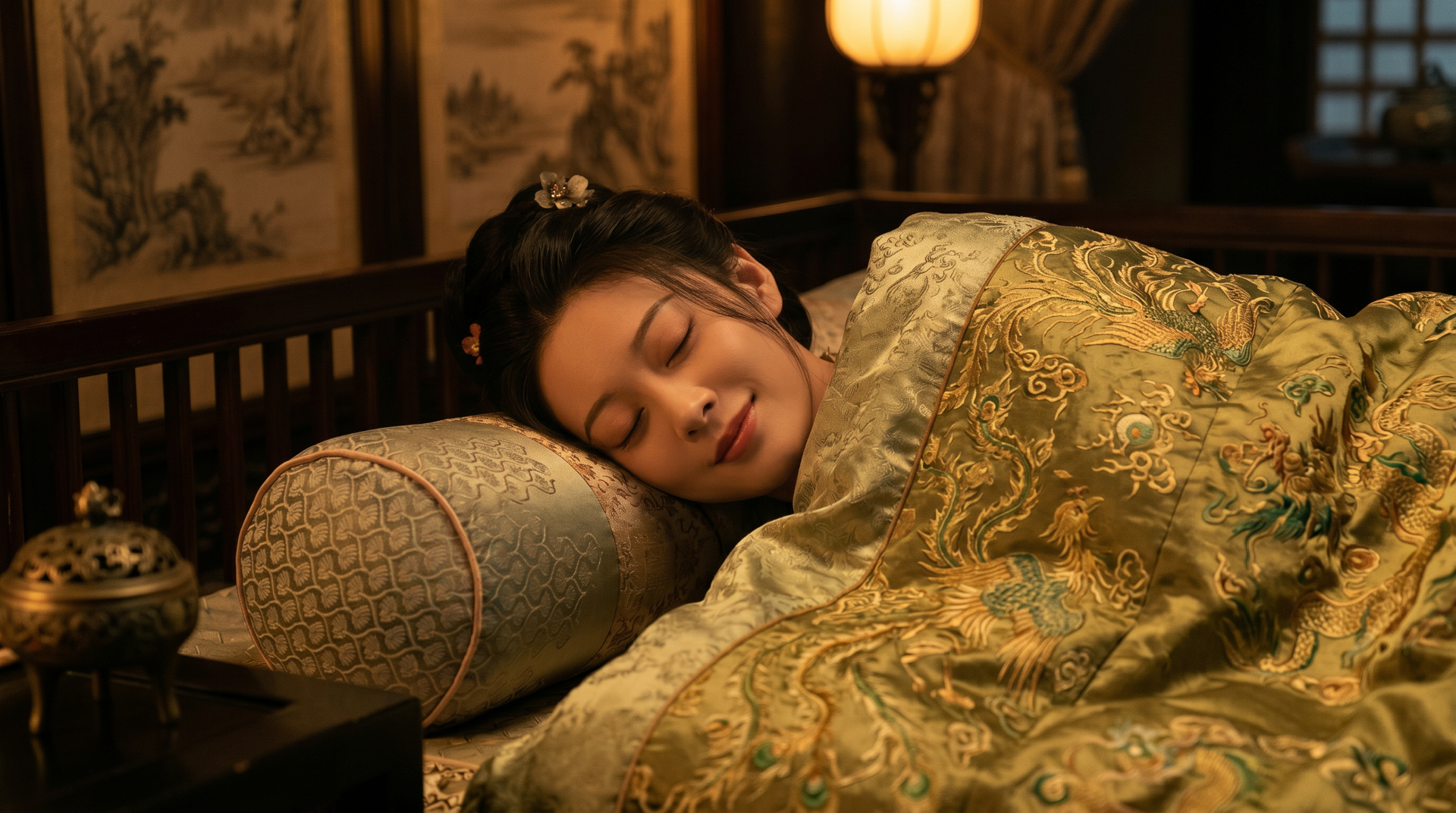
The use of silk in pillows, bedding, and sleeping garments was not simply a matter of decoration. It was a reflection of status, craftsmanship, and an appreciation for one of nature’s most remarkable fibres. Today, silk pillowcases, silk duvet inners, and silk sleepwear continue a tradition that began in the imperial courts of ancient China.
The Origins of Silk Pillows in Ancient China
The history of pillows in China stretches back thousands of years. Early Chinese pillows were often made from harder materials such as wood, bamboo, lacquered materials, and later porcelain. These firm pillows were designed to support the head and neck while also reflecting cultural beliefs about health and posture.
During the Warring States period (475–221 BC), Chinese textile production advanced significantly, allowing softer textile-based sleeping materials to become more common. By the Western Han Dynasty (206 BC–220 AD), silk pillows began appearing among the wealthy and elite classes.
Silk pillows were a luxury because silk itself required immense skill and resources to produce. Every thread began with the careful cultivation of silkworms, and the final fabric represented hours of human craftsmanship.
For nobles and aristocratic families, resting on silk was a way to surround themselves with beauty and comfort even during sleep.
The Evolution of the Soft Silk Pillow Inner
The concept of a soft-filled pillow developed alongside improvements in Chinese silk production. As silk weaving became more sophisticated, silk fabrics were used not only as decorative coverings but also as practical materials for luxury bedding.
Soft silk pillow inners were created by filling silk covers with fine natural fibres. These early versions were prized for their gentle feel, lightweight structure, and ability to regulate temperature throughout the night.
Unlike rougher natural materials, silk provided a smooth sleeping surface that was gentle against the skin and hair. This made silk especially valuable for royalty and wealthy families who sought the ultimate sleeping experience.
The same characteristics that made ancient silk pillows desirable remain the reason modern silk pillowcases and silk bedding are considered luxury essentials today.
The Earliest Known Silk Bedding and Duvet-Style Quilts
One of the most fascinating examples of ancient Chinese silk bedding comes from archaeological discoveries dating back to the Han Dynasty. The Mawangdui Tombs in Changsha, Hunan Province, revealed an extraordinary collection of silk garments and textiles, including quilted silk items and layered fabrics used for personal comfort and burial purposes.
The textiles discovered at Mawangdui demonstrated that ancient Chinese artisans were already creating sophisticated padded and layered silk coverings more than 2,000 years ago. These pieces were made using fine silk fabrics combined with soft fillings, creating a form of bedding that closely resembles the principles behind modern silk duvet inners.
The preservation of these textiles has allowed historians to study ancient Chinese weaving, stitching, and fabric construction. The China National Silk Museum in Hangzhou, one of China’s leading institutions for silk research and conservation, preserves and studies many important examples of ancient Chinese silk craftsmanship.
Why Was Silk Used for Bedding?
Silk offered qualities that were almost impossible to achieve with other natural materials.
- Temperature regulation: Silk fibres naturally adapt to the environment, helping keep the body cooler in warm conditions and warmer during colder periods.
- Exceptional softness: The smooth surface of silk created a comfortable sleeping environment that was gentle against the skin.
- Lightweight warmth: Silk provided insulation without heaviness, making it ideal for luxurious bedding.
- Natural strength: Despite its delicate appearance, silk fibres are remarkably strong and durable.
Ancient Chinese nobility understood that quality sleep required more than warmth. It required harmony between the body, the environment, and the materials surrounding them.
Silk as a Symbol of Status and Identity
In ancient China, silk was far more than a fabric. It was a symbol of achievement, wealth, and social standing.
The finest silks were reserved for emperors, officials, aristocrats, and wealthy families. The quality of silk, the complexity of weaving, and the colour of the fabric could communicate the wearer’s position within society.
This association between silk and privilege extended into the bedroom. A person who slept on silk was displaying access to one of the most valuable materials in the ancient world.
Silk bedding represented refinement, a private luxury enjoyed away from public view, where comfort and elegance became part of everyday life.
The Natural Beauty of Silk
The unique beauty of silk comes from the structure of the fibre itself. Silk has a naturally smooth surface that reflects light, creating the soft glowing appearance known as silk lustre.
This gentle shine is one of the reasons silk has fascinated cultures around the world for centuries. Unlike artificial fabrics that imitate shine, silk’s brilliance comes naturally from the way its fibres interact with light.
Its smooth surface also creates a feeling unlike any other textile. When used in bedding and sleepwear, silk feels cool, soft, and effortlessly luxurious against the skin.
Ancient Wisdom in Modern Luxury
The ancient Chinese approach to silk bedding was based on a simple idea: the materials closest to the body should be the most carefully chosen.
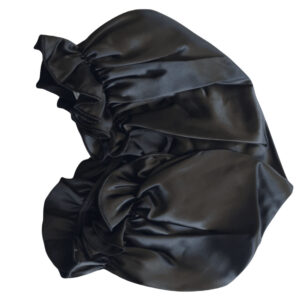
From the silk pillows of the Han Dynasty to today’s silk duvet inners, silk pillowcases, and silk sleepwear, the purpose remains the same — to create a sleeping environment that feels natural, comfortable, and refined.
Silk has survived thousands of years because it offers something rare: beauty combined with performance. It is soft yet strong, delicate yet durable, and luxurious yet naturally functional.
Every night spent surrounded by silk continues a tradition that began in ancient China, a tradition built on craftsmanship, comfort, and timeless elegance.
Reference: Chinese culture