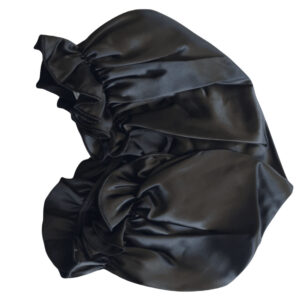

You’ve probably scrolled past silk pillowcase ads on Instagram or seen them recommended in beauty blogs. But are they actually worth it? Here’s the truth: if you care about how you look when you wake up and how long your hair lasts, silk pillowcases aren’t a luxury, they’re a smart investment.
Let me walk you through why this one change to your bedding can make a real difference, and what to look for when you’re ready to buy.
The Problem With Your Cotton Pillowcase
Before we talk about what silk can do, let’s be honest about what cotton is doing to you every night.
Cotton is absorbent—and that’s actually the problem. When you sleep on a cotton pillowcase, it absorbs moisture from your skin and hair. You’re spending 6-8 hours with your face and hair pressed against fabric that’s actively pulling hydration away from you. Your skin wakes up dehydrated. Your hair wakes up dry and prone to breakage.
On top of that, cotton has friction. Every time you turn your head during the night, your skin is dragged across the fabric’s rough surface. That friction creates sleep creases on your face—the lines you see in the mirror that take an hour to disappear. Over years, those repeated creases can actually contribute to permanent wrinkles. For your hair, that same friction causes tangles, frizz, and broken strands.
It’s not dramatic. It’s just the daily cost of sleeping on the wrong material.
Why Silk Pillowcases Are Different
Silk works the opposite way. Instead of absorbing moisture, it lets your skin and hair glide across a smooth surface that doesn’t steal hydration. This one difference affects everything.
For Your Skin:
When your skin slides against silk instead of dragging across cotton, you eliminate the friction that creates sleep creases. No constant pulling, no pressure marks in the morning. Better yet, because silk doesn’t absorb your skin’s natural oils, you wake up more hydrated. This is why dermatologists recommend silk pillowcases for anti-aging, it’s not magic, it’s basic physics. Less friction + more moisture retention = fewer fine lines over time.
People with acne-prone or sensitive skin notice a difference too. Cotton traps bacteria and oils against your skin all night. Silk’s smooth surface doesn’t create that warm, moist environment where acne thrives.
For Your Hair:
This is where silk really shines. If you’ve ever woken up with frizz, tangles, or noticeable breakage, your pillowcase is part of the problem. Silk reduces friction dramatically. Your curls stay defined instead of turning into a tangled mess. If you have extensions, processed hair, or hair that’s already fragile, silk is genuinely protective, it prevents the breakage that cotton accelerates.
Even simple things improve: your blow-dry lasts longer because you’re not creating frizz overnight. You spend less time detangling in the morning. Your hair feels softer because moisture stays in the strands instead of being absorbed by your pillow.
Not All Silk Pillowcases Are Equal
Here’s where most people get confused: silk quality varies dramatically, and a cheap “silk” pillowcase might be mostly satin or synthetic material pretending to be silk.
Real silk comes from the mulberry silkworm. It’s a natural protein fiber that’s been used for thousands of years, literally, because it genuinely works. But there’s a quality spectrum.
The momme count matters.
Momme (pronounced “mommy”) measures the weight and density of silk. A 19 momme pillowcase is entry-level, it’ll give you some of the benefits but might only last 2-3 years. A 22 momme pillowcase is significantly better: it’s denser, more durable, has better sheen, and lasts 5+ years. You’re essentially getting double the lifespan for a modest price increase.
The grade matters too.
6A grade mulberry silk is the premium standard. It’s pure, smooth, and free from the impurities or thick nubs you find in lower grades.
Certifications matter.
If you see OEKO-TEX certification on a silk pillowcase, that means it’s been independently tested and confirmed to be free from harmful chemicals. It’s not just pure silk, it’s pure silk that won’t irritate sensitive skin.
If you’re investing in silk, you want 100% mulberry silk, 22 momme minimum, and ideally OEKO-TEX certified. Anything less and you’re missing out on the durability and benefits.
-
Sale!

Silk Pillow Case & Eye Mask Gift Set
Original price was: R1,380.00.R1,100.00Current price is: R1,100.00. Including VAT Select options This product has multiple variants. The options may be chosen on the product page -
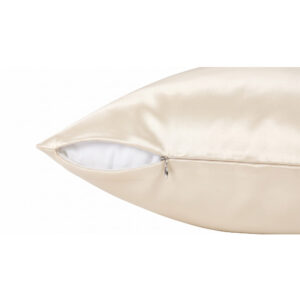
Silk Pillow Case – 22 momme – Pearl – Standard 45x70cm (Zipper)
R860.00 Including VAT Add to cart -
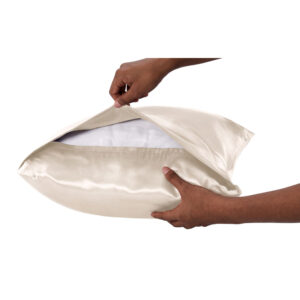
Silk Pillow Case – 22 momme – Pearl – Standard 45x70cm (Envelope)
R930.00 Including VAT Add to cart

What to Expect When You Switch
If you order your first silk pillowcase today, here’s what happens in the first few nights:
Your skin will feel different immediately. Smoother, less irritated. If you have any sensitivity, you’ll notice it calms down faster. The silk is cool, which some people love on hot nights.
Your hair will be noticeably less tangled. If you usually wake up with frizz, you’ll see less. If you use styling products, they’ll seem to last longer because you’re not disrupting your style by sleeping rough against cotton.
Within a week or two, you’ll notice your skin looks clearer. Sleep creases disappear faster. Within a month, if you’ve been struggling with acne or irritation, you’ll probably see improvement.
The real payoff is long-term. After a few months, you’ll notice your hair is genuinely healthier, shinier, less prone to breakage. Your skin texture improves. You’ll stop going back to cotton because the difference is just too obvious.
The Only Catch: Care Matters
Silk pillowcases aren’t difficult to care for, but they do need a different approach than cotton.
Hand wash in cold water with a gentle, pH-neutral detergent (or specialized silk wash). Hot water damages silk fibers. Machine washing is too harsh. Air dry away from direct sunlight, UV rays fade the color and can weaken the fabric.
It sounds fussy, but honestly, most people wash their pillowcase once every 1-2 weeks, so you’re talking about 5 minutes of hand washing. That’s it.
With this simple care routine, a 22 momme silk pillowcase lasts 5+ years. When you do the math, it’s actually cheaper long-term than buying cotton pillowcases every couple of years.
Finding the Right One
When you’re shopping, you’re looking for three things:
- 100% mulberry silk, not satin, not a blend, not “silk-like”
- 22 momme, the sweet spot for durability and feel
- OEKO-TEX certification, proof it’s been tested for safety and quality
Color matters too. Pearl (off-white) hides dust and shows the silk’s natural sheen beautifully. Black is more dramatic and elegant, and it hides stains better, but you need to be careful with washing to prevent fading.
Size is straightforward: South African standard pillows take 45x70cm. If you have king-size pillows, you’ll want 52x90cm silk pillow cases.
The Bottom Line
A silk pillowcase is a small change that compounds over time. You’re not buying a miracle, you’re buying a better-performing material that works with your skin and hair instead of against it.
If you sleep on a pillow (which, let’s face it, you do), you’re choosing between a material that supports your skin and hair or one that damages them slowly every single night.
Silk wins. And once you feel the difference, you won’t go back to cotton.
Ready to Try It?
Silk.co.za offers 100% mulberry, 22 momme OEKO-TEX certified silk pillowcases in pearl and black, both available in South African standard size. With proper care, they’ll transform your sleep routine and last 5+ years.
Your skin and hair will thank you.
-
Sale!
Silk Pillow Case & Eye Mask Gift Set
Original price was: R1,380.00.R1,100.00Current price is: R1,100.00. Including VAT Select options This product has multiple variants. The options may be chosen on the product page -
Silk Pillow Case – 22 momme – Pearl – Standard 45x70cm (Zipper)
R860.00 Including VAT Add to cart -
Silk Pillow Case – 22 momme – Pearl – Standard 45x70cm (Envelope)
R930.00 Including VAT Add to cart